PUBLIC HEALTH COMMUNITY ECUCATION PLACEMENT IN MOSHI AREA AND THE SURROUNDING COMMUNITIES OF TANZANIA
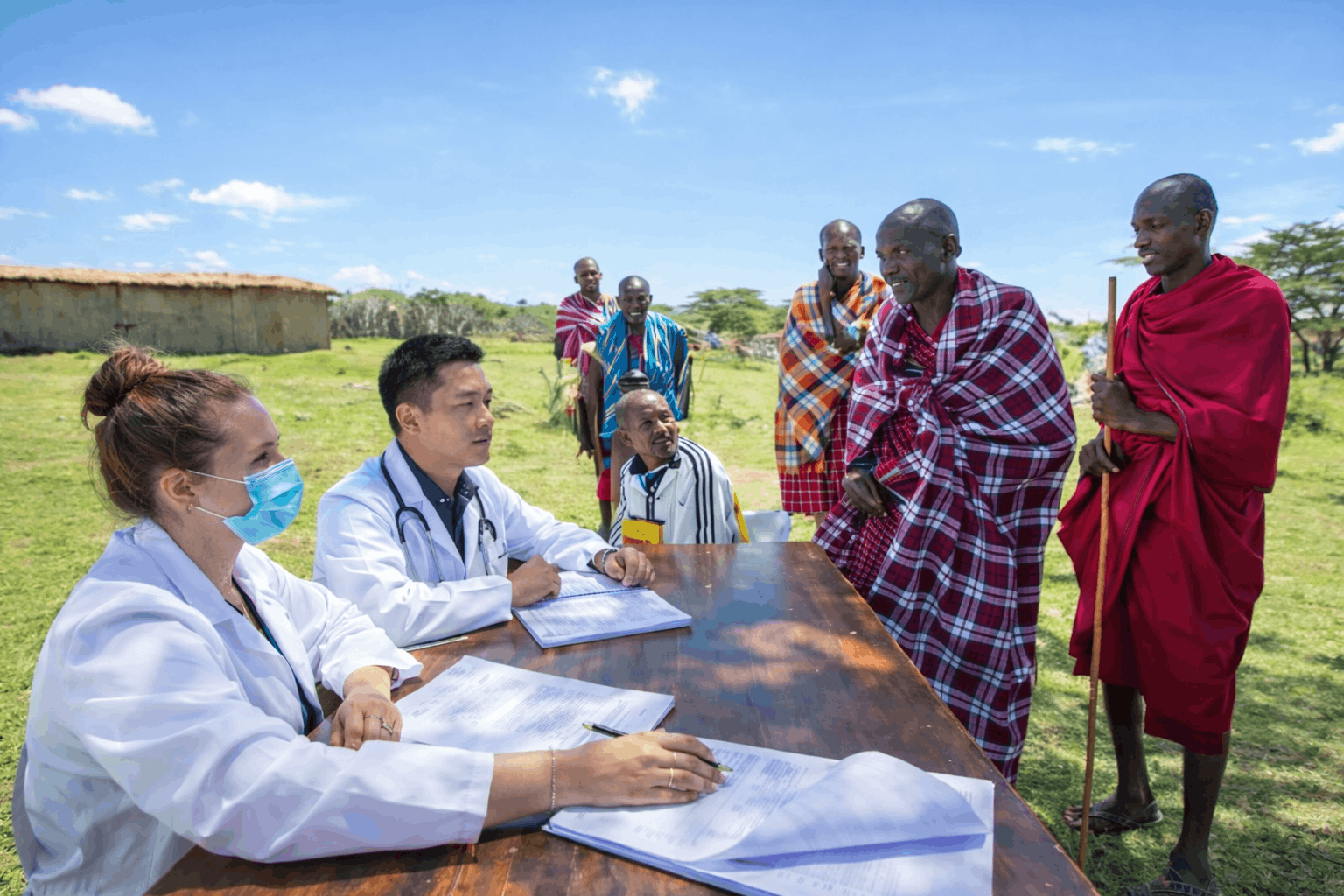
Public health internships in Tanzania focusing on community education offer immersive experiences in rural (e.g., rural Moshi, Naserian region) and urban settings. Interns conduct outreach on HIV/AIDS, maternal health, and hygiene, targeting grassroots prevention rather than hospital-based care. These roles, often requiring a health background, focus on education, social mobilization, and community-based health programs, community education outreach, among others.
Key Aspects of Community Education Internships
- Focus Areas: Key education areas include HIV/AIDS prevention, maternal and newborn health, malaria awareness, tuberculosis control, nutrition, and hygiene.
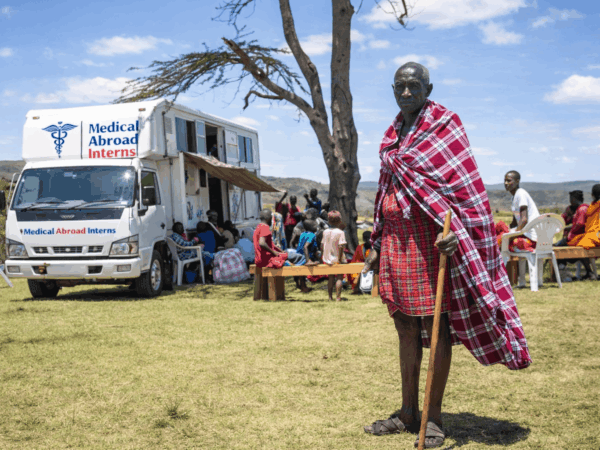
- Target Populations: Activities often target local communities, schools, and women’s groups in rural and peri-urban areas, such as in Iringa or near Dar es Salaam.
- Methods of Education: Interns develop and deliver workshops, use participatory communication, conduct health outreach, and facilitate awareness campaigns.
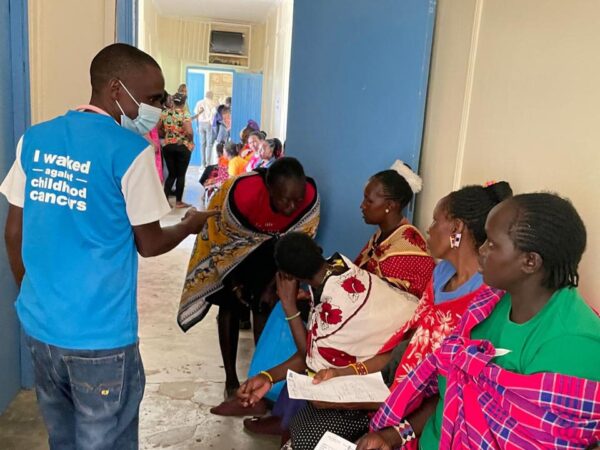
- Community Involvement: Interns work alongside community health workers (CHWs), participating in outreach where they screen for conditions like diabetes and hypertension.
Core learning objectives for public health community education focus on improving health literacy, fostering positive attitude changes, developing practical skills, and empowering communities to take action on health- related issues. These objectives are designed to reduce risk factors and manage health conditions at the individual, group, and community levels. Key learning objectives are generally structured around three main domains: cognitive (knowledge), affective (attitudes), and psychomotor (skills), and include the following:
Knowledge and Awareness (Cognitive)
- Disease Prevention and Management: Participants will be able to identify key health risks (e.g., malnutrition, HIV/AIDS, hypertension) and understand methods for prevention and management.
- Health Promotion: Understanding the importance of healthy habits such as nutrition, hygiene, sanitation, and physical activity.
- Understanding Social Determinants: Recognizing how social, environmental, and cultural factors influence health outcomes.
Attitude and Behavioral Change (Affective)
- Developing Positive Attitudes: Encouraging attitudes that support healthy practices, such as accepting immunization or adopting better nutrition.
- Adopting Healthy Practices: Shifting from awareness to action, such as using, repairing, or installing mosquito nets (ITNs) or water sanitation systems.
- Cultural Sensitivity: Understanding and adapting health messages to fit the specific social and cultural beliefs of the community.
Skill Development (Psychomotor)
- Practical Health Skills: Demonstrating how to prepare rehydration fluids for dehydration, perform self-examinations (e.g., breast self- exam), or prepare nutritious meals.
- Decision-Making and Problem-Solving: Gaining the skills necessary to make informed choices about health issues like smoking cessation or family planning.
- Utilizing Health Services: Knowing how and when to access local health services for screenings, prenatal care, or vaccinations.
Community Empowerment and Mobilization
- Community Participation: Actively participating in assessing community needs and planning local health interventions.
- Social Mobilization: Developing skills to influence community norms, reduce stigma, and promote local, sustainable action on health issues.
- Referral Skills: Identifying symptoms of severe diseases and understanding how to refer patients to professional healthcare facilities.
Example of a SMART Learning Objective:
By the end of the session, 90% of the participants will be able to demonstrate the proper technique for handwashing to prevent infectious diseases. These objectives are typically measured through pre- and post-test analyses of community participants to assess the effectiveness of the educational intervention.
Global Health and Cultural Competence:
- Understanding Health Disparities: Gaining insight into the root causes of health inequities and the impact of social determinants on patient care.
- Cultural Humility: Cultivating empathy and intercultural communication skills by navigating cultural, linguistic, and socioeconomic barriers with patients.
- Community Health Perspective: Engaging in community outreach and understanding public health interventions, such as HIV testing, malnutrition screenings, and vaccination drives.
Professional and Personal Growth:
- Ethical Reasoning: Navigating complex ethical dilemmas regarding care rationing, equity, and access to resources.
- Building Resilience: Strengthening professional resilience and emotional intelligence in challenging working environments.
- Networking: Building connections with local healthcare providers, and for postgraduate students, developing research partnerships, and for volunteer medics to build a lifetime diary and human connections.
Altruistic Engagement:
- Supporting Local Systems: Providing direct support to overburdened local medical staff and improving access to care for low-income patients.
Common Program Features
- Mentorship: Focus on supervised training under local, experienced clinicians.
- Specialized Workshops: Participation in workshops on topics like health communication, first aid, and public health policy.
Targeted Skills and Requirements
- Background: Suitable for students in public health, social/behavioural sciences, or nursing, especially those interested in health promotion and community development.
- Requirements: Often require fluency in English, with experience in social mobilization or participatory communication being a plus.
- Learning Outcomes: Interns gain experience in addressing community health issues, understanding social-cultural impacts on healthcare, and functioning within limited-resource settings.
Program Structure
- Duration: Flexible, ranging from two weeks to several months.
- Orientation: Programs usually include an initial orientation on the Tanzanian health system and cultural context.
- Supervision: Interns receive support from local community leaders and program staff.
Program Additional Details:
Duration: 4-12 weeks
Style: Both in-person and Hybrid (Hybrid will be after the in-person)
Cost Break Down 2026
4 weeks USD 1,500
8 weeks USD 2,000
10 weeks USD 3,000
12 weeks USD 3,200
16 weeks USD 3,500
N/B: More than sixteen weeks’ placements are available and we can plan with participants on a low- cost system, also no any other cost after in-person participation unless otherwise, Hybrid participation will not be charged after.
Cost includes:
- Selection and Careful matchmaking to meet one’s desired expectations.
- Pre-departure information
- Accreditation for the university program
- Full board accommodation depending on your taste, either host family, tented, single room, guest house or an apartment.
- Airport transfers, both arrivals and departures [we personally pick you up]
- Three meals a day and access to coffee or tea
- Access to internet connectivity, if you carry a personal laptop, tablet the better
- Directive information with your visa arrangement and other preparations including official invitation letter and we register our participants to our foreign department just for safety
- Development of an Internship/Volunteering Work Plan to help you reach your clear objectives and learning goals
- Onboarding with your supervisor
- Regular check-ins
- Support from the Roots team remotely
- Post-placement follow-up [Hybrid interaction]
- A certificate of completion at the end of your internship or volunteering
- A reference letter upon request
- Tour local attraction at an fordable rates if you are a students or volunteer
- End of service party inviting local community, host families, project colleagues and beneficiaries and show case your country flag, food, dance, language and speak basic swahili.
- Night before departure we have a BORNE FIRE AT NIGHT for storytelling in THE NIGHT OF THE FULL MOON.
N/B: Participants are invited to offer financial support to a project at their own will before or after the service, of any amount of their wish.
Cost Not included:
- Return flights to Kilimanjaro International Airport
- Health Insurance
- Tips and Extra excursions like safari adventure
- Cost of VISA
Highlights:
- Organize a local trip with kids [pediatrics]
- Make that memorable trip together with kids to attractive sites in Tanzania, tour Tarangire National Park, Serengeti and Ngorongoro and see the big five animals
- Chance to cook your favorite food back home and share with the team mates
- Visit local market and buy local vegetables as you understand local language and the currency
- View Mt. Meru and Kilimanjaro at the comfort of your room both in rural, semi-urban or urban environment
- Tour the tallest mountain in Africa in which MOSHI is the home of Mt. Kilimanjaro
- End of service party, Cultural exchange, traditional dance among many
- Confidential private counseling sessions [if need be]
- Overnight story telling IN THE NIGHT OF THE FULL MOON under a borne fire.
HOSTING:
- We take a vigorous vetting of the host families and we conduct a background check and records. All our host families’ details are shared with the local authorities and contacts. Participants have their privacy and different rooms and carry their own keys and valuable are well stored in their safe. We do occasionally have dinner together with host families to get on well and updates. THIS PARTICULAR placement IS BASED ON HIGH QUALITY GUEST HOUSES CLOSE TO THE HOSPITAL /PROJECT Risk Assessment
- Always very ideal to visit your doctor and dentist for a check-up before your internship or volunteer program and to get all the recommended vaccines and/or medications necessary to stay healthy. A Yellow Fever vaccination is required for all travelers seeking to enter the country. But we have never had any major issues related to health, and we make sure the projects are in a good location.
COST ANALYSIS:
APPROX: 200 USD per week.
N/B: MIA WILL ONLY maintain 100usd per MONTH in support of administration.
Public Health Community Education